




| Maturity after tranplantation (days) | 85 |
|---|---|
| Fruit shape | Round |
| Fruit weight (kg) | 1,2-2 |
| Type | Seedless mini |
| Colour | Red |
| Formulation | Treated |
New
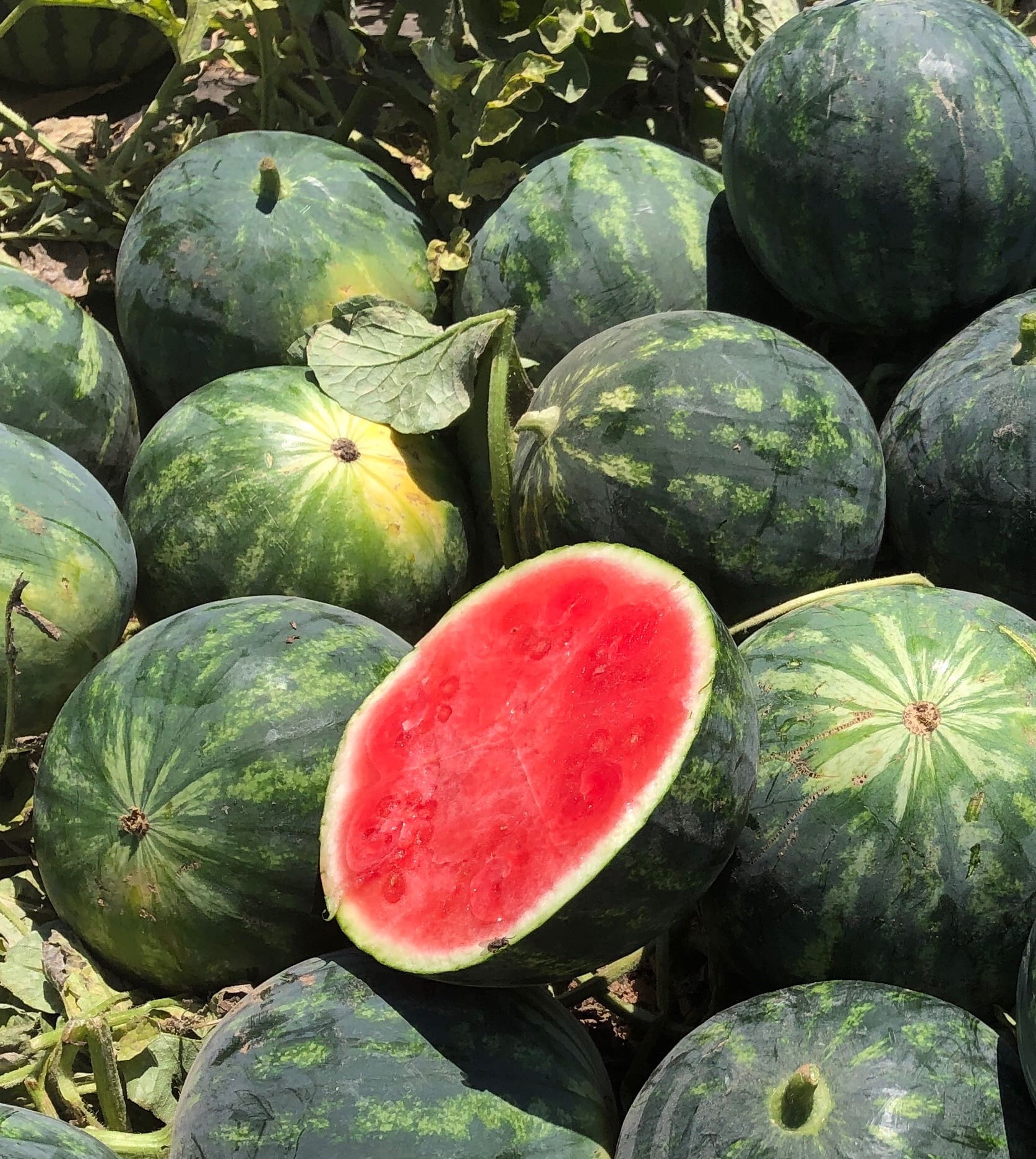
Mini Watermelon (Seedless) Hyb. Exotica Red
New
Mini Watermelon (Seedless) Hyb. Exotica Red
18.29$
Out of stock
Want to be notified when this product is back in stock?
Mini Watermelon (Seedless) Hyb. Exotica Red has been added to cart
Buy 3 and get a 10% discount
Recommendations :
Indoor sowing : 3 weeks before transplanting in the garden. (*)
(*) From 7 to 10 days after the date of the last ground frost.
Exotica was selected by field growers amongst many others for its deep red flesh, exceptional sweetness and extended shelf-life. This compact mini watermelon has no seeds, a crisp and fresh texture and an amazingly refreshing taste.
Pollinator plant required.
Green Thumb
Cultural practices : sow indoors in early spring. After about six weeks and when there is no more risk of frost on the ground, harden the seedlings and plant them in the garden.
Soil : they like well-drained, fertile soil with a pH between 6.5 to 7, rich in organic matter, with a high level of humus and nitrogen.
Spacing : place the seedlings in small hillocks 1 m apart, in rows spaced 1 m to 1.5 m apart.
Growing tips : Protect them well from wind and cold in bells or plastic tunnels, until they are well established. Choose a warm site, in full sun. Pinch off the ends of the stems for faster ripening. To ensure good pollination, it is essential to plant in your garden one (1) Ace pollinator plant for every two (2) seedless melon plants.
Harvest : melon is best harvested after a good period of sunshine, as that is when it will give its best. After a period of rain, you might end up with melons that are tasteless and less sweet. Finally, prefer a harvest in the evening rather than in the morning, after a beautiful sunny day, it is the guarantee of having sweeter melons.
| Growing plants from seeds | |
|---|---|
| Rival plant |
potato, Swiss chard |
| Companion plants |
bush bean, corn, marjoram, okra |


